







What should you do with inherited jewellery?
Inherited jewellery? Learn what to do first, how a probate jewellery valuation works, the tax basics, and your options to keep, remodel or sell.


Inherited jewellery? Learn what to do first, how a probate jewellery valuation works, the tax basics, and your options to keep, remodel or sell.
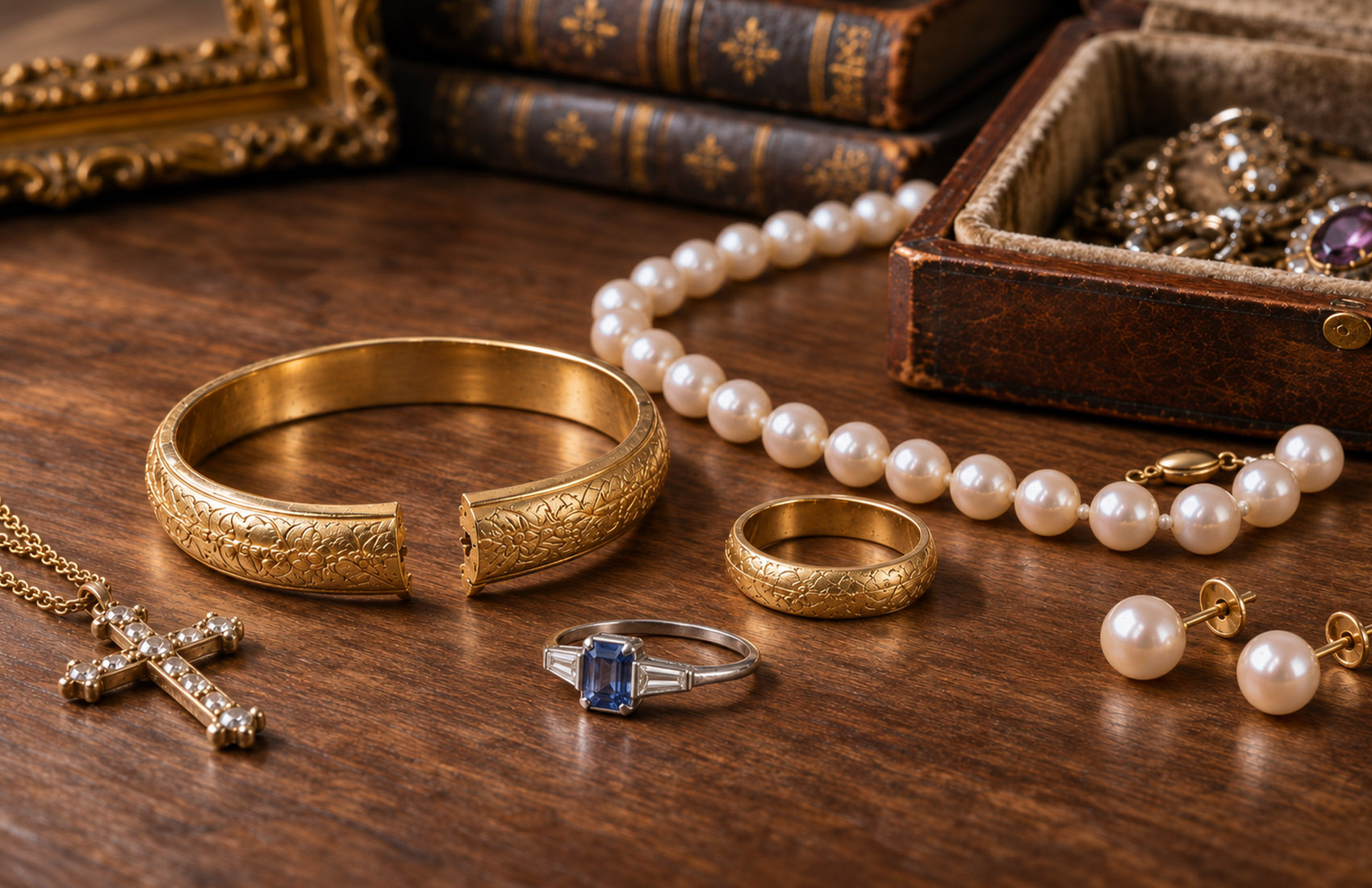

If you've inherited jewellery, there's no need to rush. Keep everything together and safe, find out whether it's legally yours yet (this depends on probate), and learn what each piece is and what it's worth. Only then decide what to keep, pass on, remodel or sell.
Whether it's heirloom jewellery passed down through generations or estate jewellery from a parent's collection, the same calm approach applies. It's a question more families are facing as wealth passes between generations, a shift often called the great wealth transfer, and many people end up with a jewellery box they love but don't know what to do with. If you'd like to know what you have before deciding anything, we offer a free jewellery valuation with no obligation to sell.
This is general information, not tax or legal advice. Rules can change and depend on your circumstances, so check GOV.UK or speak to a solicitor or tax adviser.
Until the estate is settled, inherited jewellery usually belongs to the estate rather than to the person it was left to. The executor (or administrator, if there's no will) is responsible for dealing with it.
So, can you sell jewellery before probate is granted? Executors take their authority from the will, so in some cases they can act before the grant, though a buyer may ask to see proof of that authority. Pieces left as specific gifts in the will normally go to the named person rather than being sold. Where there's no will, administrators usually need Letters of Administration before they can deal with the estate's assets.
Either way, it helps to have each piece valued and recorded before anything is sold, so the estate's figures are accurate.
A probate jewellery valuation records the open market value of each piece at the date of death: roughly what it would have sold for on that day. HMRC uses this figure to work out the value of the estate.
It isn't the same as other types of valuation:
A common mistake is copying figures from an old insurance schedule, which reflects replacement cost rather than what the piece would actually sell for.
A jewellery valuation for probate is usually carried out by an independent valuer, who examines each piece and provides a written report for the executor. If you're working out how to value jewellery for probate, HMRC's IHT407 guidance asks for any single item worth more than £1,500 to be listed separately. We don't carry out probate valuations. You can read more about the types of jewellery valuation in our guide.

Inheritance tax often needs paying before probate is granted, so some executors borrow against valuable jewellery to cover the bill in the meantime.
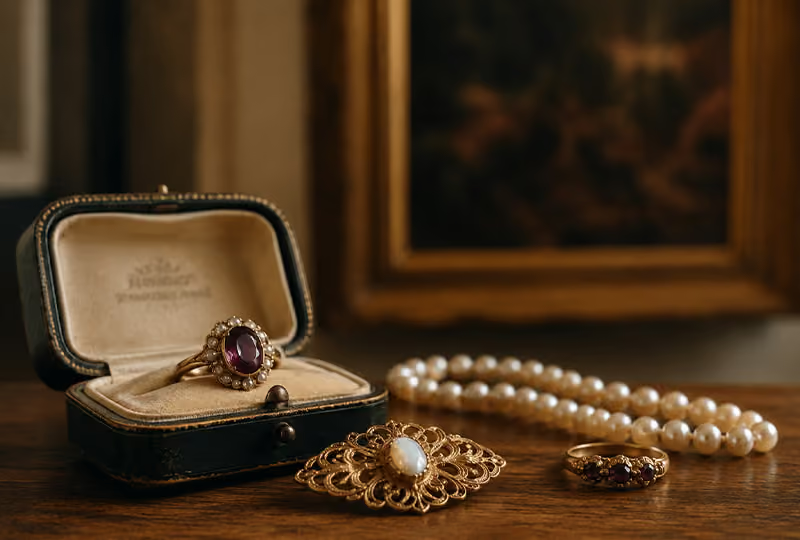
Estate jewellery is pre-owned jewellery that has come from someone's estate. Heirloom jewellery is passed down through a family, often over several generations. Either can be worth far more, or less, than you'd expect.
Pieces worth a closer look include:
"Families nearly always put the heavy gold chains to one side first, because weight feels like value. The pieces I ask to see are the small, easily overlooked ones: a brooch with a worn pin, or a ring with a stone that looks dull next to a modern diamond. That dull stone is often an old-cut diamond, cut by hand before modern machinery, and some buyers look for them because they simply aren't made any more. Check the clasp, the back of a hinge and inside a ring's band too, as that's where makers usually sign their work. Two things undo that value quickly: a well-meant repair, like a replacement clasp on a signed bracelet, and dividing a matching set between relatives." - Michael, Head of Jewellery, Suttons & Robertsons
Not sure what you have? Our specialists can look at your pieces and tell you what they're worth, free and with no obligation to sell.
There's no right answer, and it's fine not to love every piece. Many people keep a few things that matter and let the rest go.
Have pieces checked for loose stones or worn claws before wearing them, and get an insurance valuation so they're properly covered.
Some pieces mean more to a sibling, child or grandchild than to you. Talking it through early can help avoid disagreements later.
Remodelling jewellery means reusing stones or metal from an old piece to make something new, such as setting a grandmother's diamond into a modern ring. Some people redesign old jewellery this way to keep the memory while wearing something they love. Jewellers who remodel jewellery usually charge for design, labour and any new metal. Remodelling a signed or antique piece usually lowers its resale value, because buyers want it in its original form. We don't offer remodelling.
If you're wondering what to do with old jewellery you're unlikely to wear, selling it is a practical option, and you can sell some pieces while keeping others. Our guide to selling at auction vs selling to a jeweller explains your options.
Once the jewellery is yours to sell, or the executor has authority to sell it, the process with us is straightforward:
One client recently came to us with an inherited collection worth around £35,000. They kept the pieces that mattered to them and, once probate was granted, consigned the rest with us.
Ready to find out what your inherited jewellery is worth? Speak to our jewellery buyers for a free, no-obligation valuation, or consign higher-value pieces with us. You can also find out more about how we help with inherited and gifted jewellery.
{{resource-cta="/dev/components"}}
Keep it together and safe, photograph each piece and gather any paperwork. When deciding what to do with inherited jewellery, there's no need to rush: check the will and probate position first.
Jewellery is valued along with the rest of the estate when it's reported to HMRC. HMRC's IHT407 guidance explains what's needed. This is general information, not tax or legal advice.
Executors usually instruct an independent valuer, who provides a written report of each piece's open market value at the date of death. We don't carry out probate valuations.
Probate value is what a piece would sell for at the date of death. Insurance value is the cost of replacing it new, which is usually much higher.
Jewellery is part of the estate, so it's included when the estate is valued. HMRC asks for items worth more than £1,500 to be listed separately on the IHT407. This is general information, not tax or legal advice.
Jewellery is included in inheritance tax calculations, as it counts towards the value of the estate. Whether anyone pays inheritance tax on jewellery depends on the estate as a whole, so check GOV.UK. This is general information, not tax advice.
Capital gains tax may apply if you sell a personal possession for £6,000 or more and make a gain, generally based on its value at the date of death. This is general information, not tax advice.
Executors may be able to act before the grant, though a buyer may ask for proof of authority. Administrators usually need Letters of Administration first. This is general information, not legal advice.
Not automatically. Under the rules of intestacy in England and Wales, a surviving husband, wife or civil partner usually inherits personal possessions such as jewellery, and if there isn't one, children usually inherit in equal shares. Rules differ in Scotland. This is general information, not legal advice.
Look for maker's signatures, hallmarks, diamond certificates and original boxes. A free, no-obligation valuation with us will tell you for certain.
No, but they help. Certificates, receipts and original boxes confirm what a piece is and may increase what it's worth.
Inherited jewellery? Learn what to do first, how a probate jewellery valuation works, the tax basics, and your options to keep, remodel or sell.
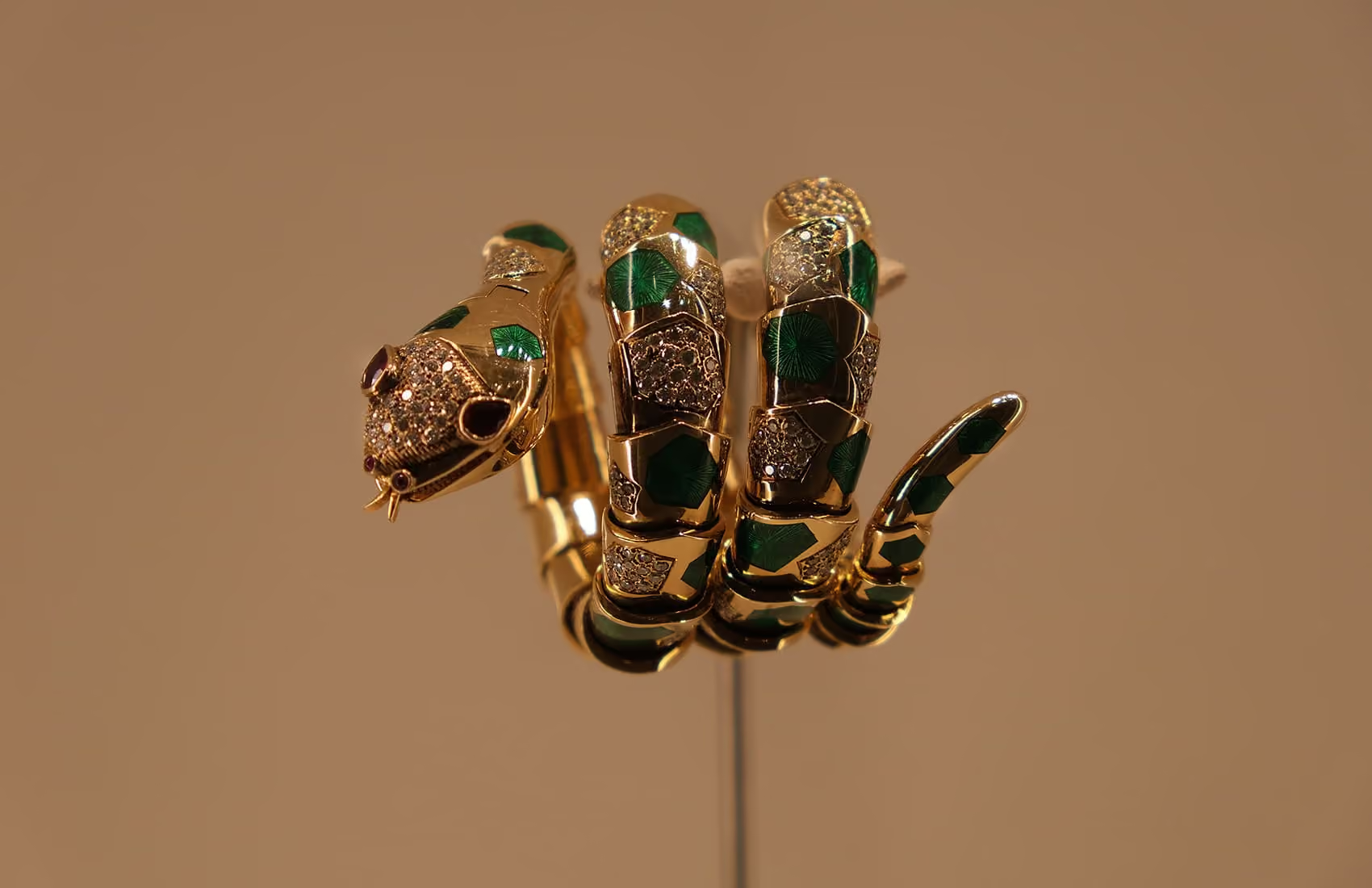
Why is Bvlgari jewellery so expensive? Explore its design, materials and craftsmanship, current UK prices and our data on how much value it retains.
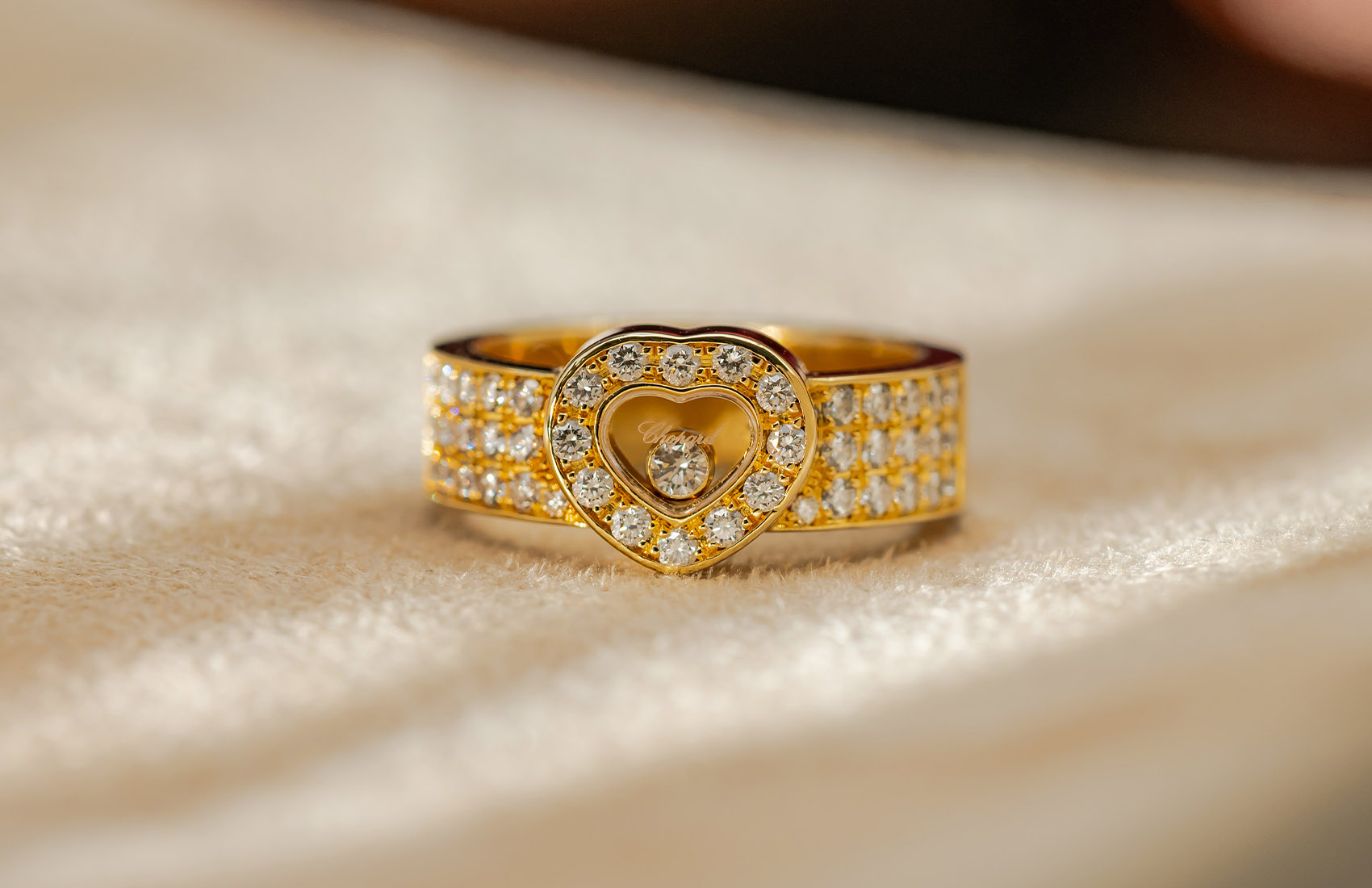
Is Chopard jewellery expensive, and does it hold its value? Explore Chopard resale values and how its popular pieces compare on the preowned Chopard market.
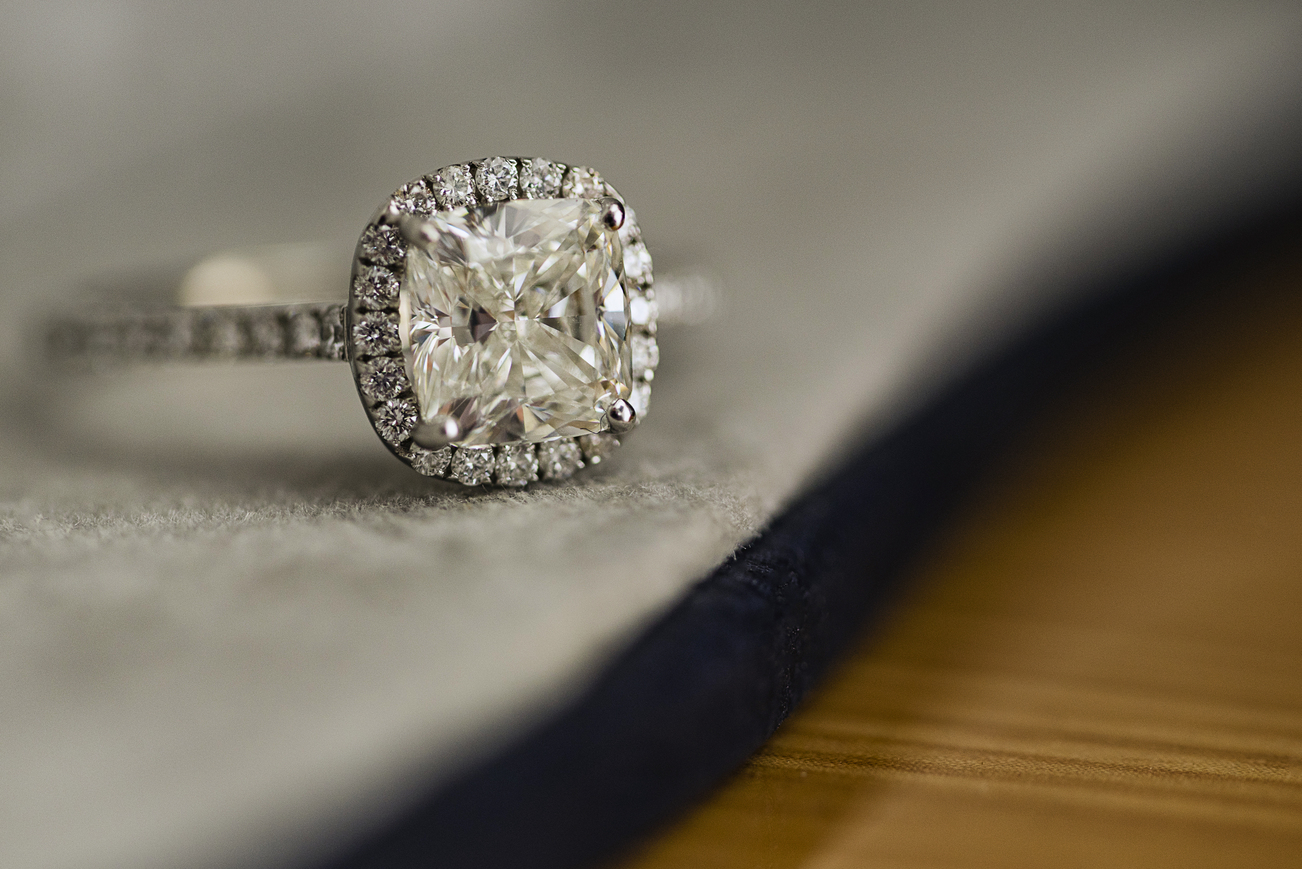
Wondering what your diamond engagement ring resale value is? Learn what affects its worth, how to maximise the valuation and which buyer to approach.

Discover Van Cleef jewellery prices, Alhambra’s secondhand performance, and how condition and materials influence the resale value of Van Cleef.
From the least expensive Tiffany engagement ring to how much is a Tiffany necklace. A guide to ‘Why is Tiffany so expensive?’

Cartier jewellery holds its value well, with vintage Cartier jewellery often increasing in value. Visit a Cartier specialist like us to get your Cartier jewellery valued.

Compare the different ways to sell jewellery and find out which route pays the most, sells the fastest and suits your piece.