




What is the diamond engagement ring resale value?
Wondering what your diamond engagement ring resale value is? Learn what affects its worth, how to maximise the valuation and which buyer to approach.


Wondering what your diamond engagement ring resale value is? Learn what affects its worth, how to maximise the valuation and which buyer to approach.
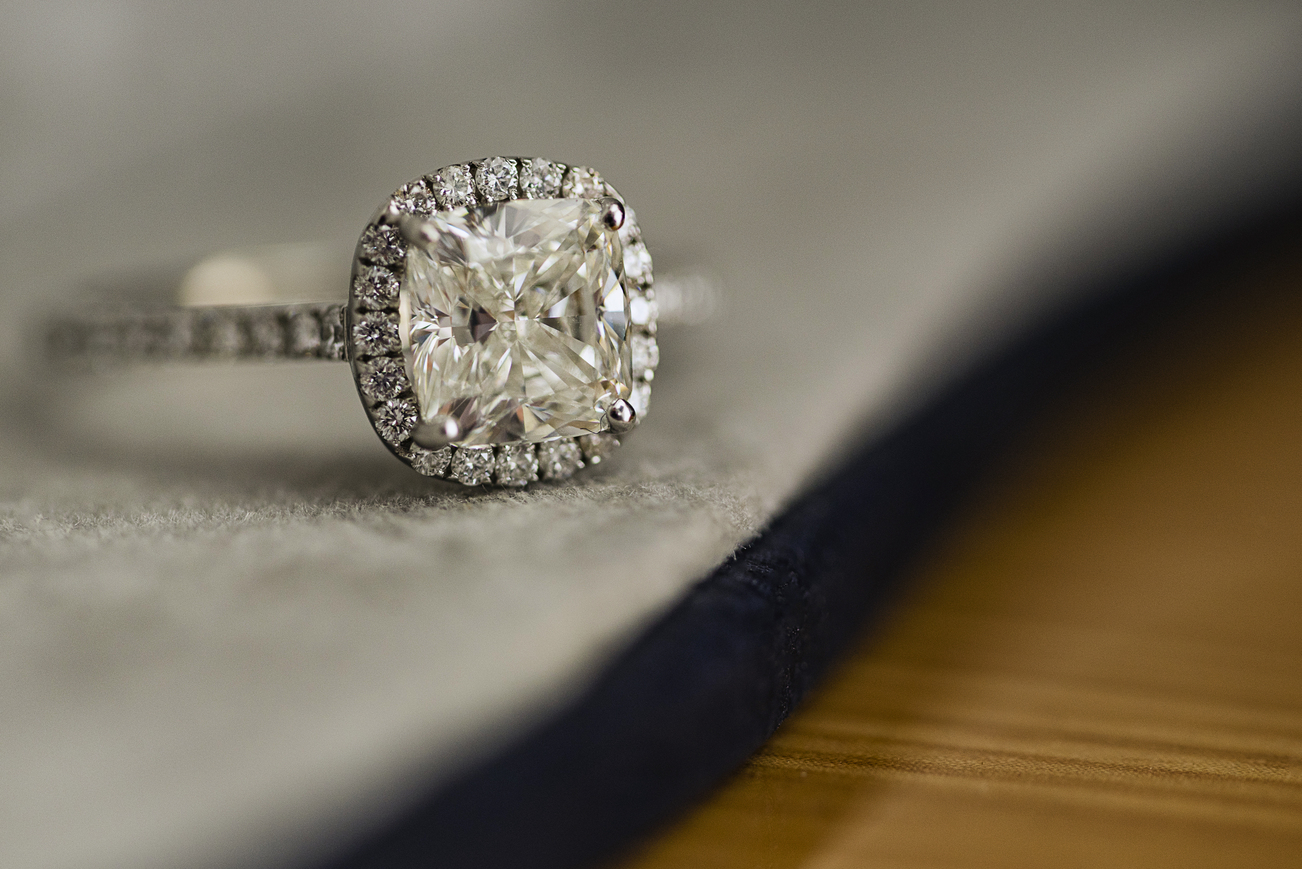

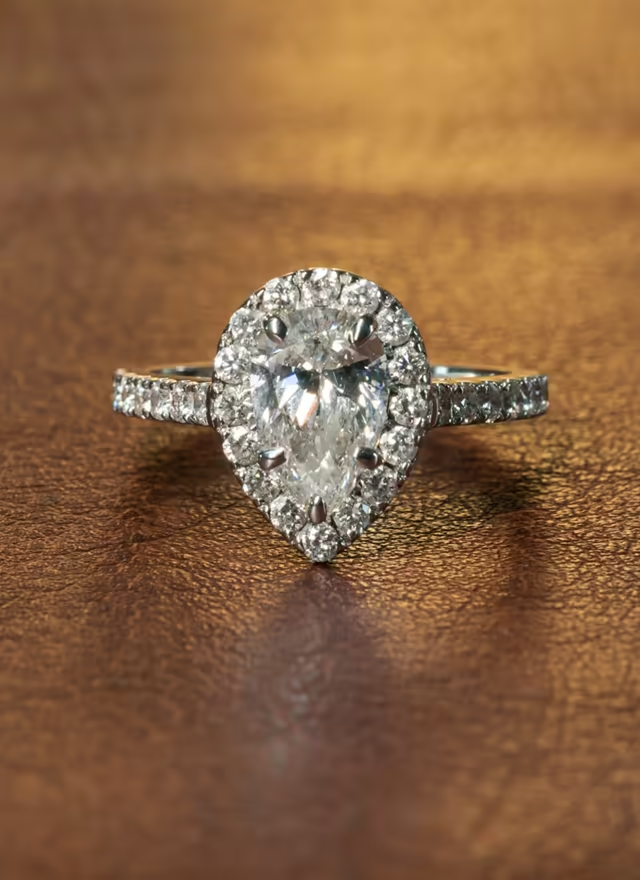
The typical diamond engagement ring resale value is between 30% and 55% of its original retail price, depending on factors such as certification and brand. The resale value of diamond engagement ring pieces depends primarily on intrinsic material demand and secondary market appeal, while designer pieces retain more of their initial cost. For example, a pre-owned resale Tiffany engagement ring can be worth up to 80% when you sell Tiffany engagement rings through a specialist.
We understand that selling an engagement ring can be a sensitive and difficult decision. When exploring how to find out how much a ring is worth, having clear, realistic expectations helps ensure you make the right choice for your situation.
When establishing the value of a ring, it helps to know why retail prices differ from pre-owned offers. Brand-new prices include manufacturing, retail overheads, margins, and 20% VAT. On the secondary market, these costs no longer apply, meaning a ring's estimated value relies on intrinsic material worth and demand.
Additionally, when reselling engagement rings, trade buyers may also price in potential refurbishment costs, such as repairing worn claws or polishing micro-scratches.
Valuations can also differ depending on purpose. Insurance valuations reflect full retail replacement, whereas resale offers reflect immediate cash value. You can learn more about valuations in our jewellery valuation guide. These factors define the final ring value for previously owned diamond engagement rings.
Lab-grown engagement rings typically resell for 10% to 30% of their original price, while natural diamond engagement rings typically resell for 30% to 55%. That means natural diamonds retain over 100% more resale value than lab-grown, based on the midpoints of each range (42.5% vs 20%). For a ring bought for £5,000, a natural diamond might resell for £1,500 to £2,750, while a lab-grown equivalent might fetch £500 to £1,500.
When asking how much do natural diamonds sell back for compared to synthetic stones, the overall resale value of diamond engagement rings with natural diamonds hold far stronger appeal. Therefore, people often ask ‘are lab grown diamonds worth anything second-hand?’ The resale value of lab grown diamond engagement rings remains limited because the secondary market is still developing, and buyers generally prefer certified new stones.
For this reason, we focus exclusively on natural diamonds and do not currently buy lab-grown engagement rings.
When asking ‘how much can I get for my engagement ring?’ brand equity plays an important role, where designer houses such as Tiffany & Co. and Cartier carry significant prestige.
As highlighted in our jewellery resale value report, designer pieces sell faster and retain more value, typically returning 60% to 80% of their original retail price. Tiffany engagement ring resale value remains particularly strong due to rigorous stone grading and heritage. You can discover more about why these luxury houses command such a premium in our article on why Tiffany is so expensive.
The extrinsic value of diamond rings crafted by high-end design houses is therefore reflected in the secondary market. Consequently, a pre-owned Cartier or resale Tiffany engagement ring consistently outperforms unbranded alternatives.
When asked ‘how much will a jeweller pay for a diamond ring’, Michael, Head of Jewellery at Suttons and Robertsons said:
"When someone brings us an engagement ring, we know it's rarely just a transaction. We look at the diamond first: its certificate, its quality and how it would sell today. Then we look at the ring as a whole, including the brand, the accessories, and its condition. Our offers are based on live diamond pricing, so you get a fair figure on the day. And we'll never ask why you're selling. That's your business, not ours."
Each of the diamond 4Cs directly influences the final resale value of engagement rings in a similar capacity to retail diamonds.
Independent certification provides verified proof of a diamond’s specifications. A GIA (Gemological Institute of America) certificate carries the highest weight on the secondary market due to its strict, globally recognised grading standards, whereas other labs like IGI offer support but command slightly lower buyer confidence.
When selling engagement rings without certification, buyers must factor in grading uncertainty, which lowers the offer. For designer pieces, original box and papers are equally vital for proving authenticity and maximising engagement ring resale returns. Arranging a professional ring valuation helps clarify how these elements affect your final figure.
While nobody selects an engagement ring with selling in mind, specific characteristics naturally preserve diamond engagement ring resale value better over time.
When deciding where to sell diamond engagement ring options, peer-to-peer online listings take time and lack guaranteed sales. Selling directly to specialists looking to buy pre-owned engagement rings ensures instant verification and often same-day payment.
At Suttons & Robertsons, we evaluate natural diamond rings of a minimum of 1 carat, using live Rapaport market benchmarks. To sell jewellery with ease, complete an online form to receive a quote, then visit us in person or send your item using our insured courier pack, which covers up to £20,000 in transit and often results in same day payout.
When you sell engagement ring pieces to us, discretion is guaranteed. We never ask about personal circumstances.
For readers who need funds without parting with a cherished ring permanently, taking out loans against jewellery or diamond loans allows you to access funds while retaining ownership.
A pre-owned natural diamond ring typically returns 30% to 55% of its original retail price on the secondary market. Evaluating the value of a resale diamond engagement ring relies primarily on intrinsic diamond quality, branding, and current wholesale market demand.
Lab-grown diamonds retain minimal secondary value, typically reselling for just 10% to 30% of their original price. Due to falling production costs and low pre-owned buyer demand, many specialists like us choose not to purchase lab-grown resale engagement rings.
Yes, luxury house pieces from prestigious jewellers like Tiffany & Co. retain significantly higher value on the secondary market. Pre-owned resale diamond engagement rings from renowned brands can sell for 60% to 80% of their retail price due to strong brand recognition and desire.
An independent grading report, particularly from a globally recognised laboratory like GIA, significantly enhances secondary market value and buyer confidence. Possessing official certification can increase your overall diamond engagement ring resale value by up to 10%, some buyers require one.
The best place to sell engagement rings is through an established, specialist jeweller or pawnbroker who uses live market benchmarks and offers quick and secure payment. Specialist buyers provide fair valuations based on true wholesale diamond prices alongside a discreet, hassle-free service.
Wondering what your diamond engagement ring resale value is? Learn what affects its worth, how to maximise the valuation and which buyer to approach.

Discover Van Cleef jewellery prices, Alhambra’s secondhand performance, and how condition and materials influence the resale value of Van Cleef.

From the least expensive Tiffany engagement ring to how much is a Tiffany necklace. A guide to ‘Why is Tiffany so expensive?’

Cartier jewellery holds its value well, with vintage Cartier jewellery often increasing in value. Visit a Cartier specialist like us to get your Cartier jewellery valued.
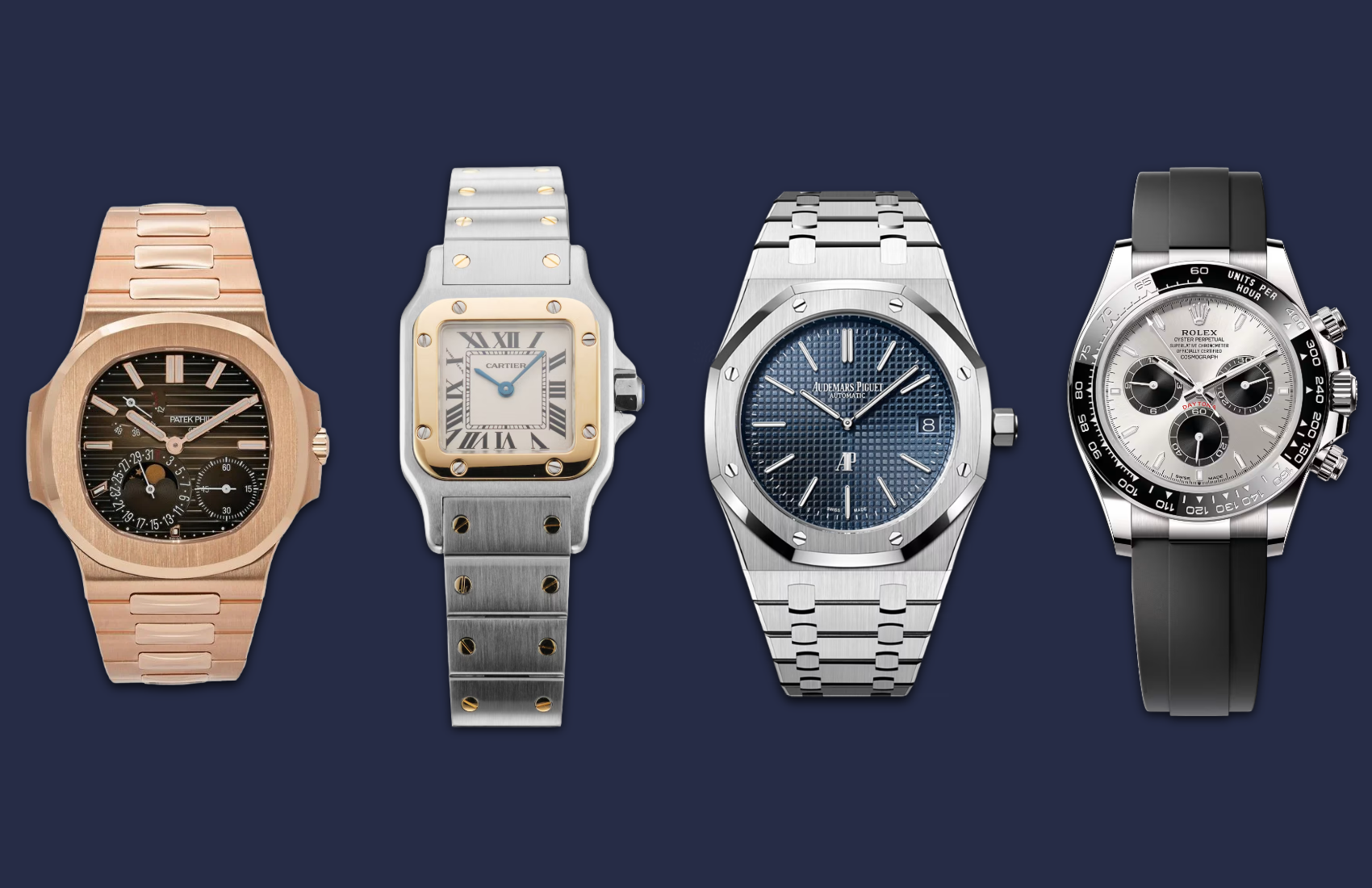
Which watches go up in value? Patek Philippe, Audemars Piguet and Rolex top our list. See the latest watch resale analysis in our Q3 2026 update.

Rolex values are up 80% since 2017, but which models perform best as a Rolex investment? Explore resale data, top Rolex investments and what drives Rolex value.

Compare the different ways to sell jewellery and find out which route pays the most, sells the fastest and suits your piece.
Read our luxury handbag resale value comparison guide for clear insights on Hermès, Louis Vuitton, and Chanel resale value returns.