Why should you buy physical gold?
Want to buy physical gold? Discover what the physical gold price means for wealth protection and how investing in physical gold remains a trusted investment.


Want to buy physical gold? Discover what the physical gold price means for wealth protection and how investing in physical gold remains a trusted investment.


Gold is a precious resource, with a rare ability to both radiate beauty and hold value. Gold has been used for thousands of years as a demonstration of wealth and prosperity, as well as a common currency. Physical gold has endured market fluctuations and revolutions and remains as compelling an investment opportunity as it was thousands of years ago. Economic uncertainty and market instability make diversification into gold a smart investment choice. Gold buyers buy physical gold for its tangible properties and proven value and freedom from digital systems; however, gold ETFs and digital gold can provide convenience, liquidity and negate the need for physical storage. Explore the benefits of investing in physical gold, understand why do people invest in physical gold and review gold ETF vs physical gold to discover whether physical gold is the right investment for you. Whether it’s your first experience of buying physical gold, or if you’re considering purchasing digital gold, this article will help explore your gold buying options and help you build a balanced and resilient portfolio.
Making your first physical gold purchase can raise questions – why buy a gold bar? Why buy gold jewellery for investment? Or why buy gold coins? What are your options and their benefits? Gold bars come in a range of sizes and weights, enabling investors to purchase according to their budget and storage options. Minted bars are cut from gold sheets to give a uniform finish and are sold in smaller denominations from 1g to 100g. Minted bars are often sealed in packaging and accompanied by a certificate of authenticity. Molten gold is poured into moulds to give a more rustic appearance and tends to be produced in larger weights of 250g and upwards. LBMA bars are the standard used by central banks and institutions, like the Royal Mint. LBMA bars are typically 400 troy ounces (or 12.4kg)
Unlike gold ETFs or digital gold, physical bars, coins and gold jewellery are owned outright, without reliance on a third party.

Physical gold’s value rises in line with economic and geopolitical instability factors that contribute to a rise in supply, demand and value. Considered a robust long-term hedge against inflation, gold prices often move inversely to the U.S. dollar, meaning that a weak dollar drives up gold’s worth. When there is low global trust between nations and markets, gold’s independence protects its liquidity and its reliable performance over centuries shows how it can protect wealth across generations.
There are benefits to buying physical gold. It’s a strong investment performer, and it is one of the easier tangible investments to store, when compared to fine art and wines or whiskeys. There is a finite supply of gold, and recent global instability means central banks’ demand for gold makes it a strong investment performer. Gold pawnbroking performances reflect the gold market’s rising prices, confirming its investment credentials. However, the decision to purchase physical gold does come with some associated risk. Physical gold requires secure storage at home or in a vault, which attracts additional costs. While highly tradable, selling gold can mean sourcing a reputable dealer and agreeing on a commission rate, with live gold prices in perpetual flux. Buying gold coins or gold bars will attract premiums above the spot price, which reflect production and distribution costs and market demand. As an investment, gold will not produce any interest or dividends, with returns solely reliant on market movement. While gold prices can fluctuate, gold’s trading history evidences resilience, especially in uncertain economic environments.

How does physical gold stack up against Gold ETF and digital gold?
A Gold ETF (Gold Exchange Traded Fund) is a fund traded on the stock market that tracks the price of gold. Investors buy units in the fund rather than owning specific gold bars. Critically, the gold does not always need to be physically allocated to each investor, meaning holdings may not be directly matched to identifiable bullion. Gold ETFs also rely on third-party management and custodians, adding layers of counterparty risk. This was highlighted during periods of market disruption, such as the temporary shutdown of the London Gold Exchange in 2011, which restricted investor access.
Digital gold allows investors to buy gold online in small denominations, with each purchase typically backed by physical gold stored in secure, insured vaults. Unlike Gold ETFs, reputable digital gold platforms allocate physical bullion to the investor on a one-to-one basis. Ownership is recorded digitally, making it easy to buy, sell, or even redeem for physical gold, without the logistical challenges of storing bullion at home.
Physical gold appeals to those who value complete independence and tangible ownership. Gold ETFs suit investors seeking short-term exposure within traditional markets. Digital gold bridges the gap, offering direct ownership of physical gold with the convenience, flexibility, and lower barriers of digital investing, making it an increasingly popular choice for modern investors looking to buy and invest in gold without the complications of physical storage.
When weighing up buying physical gold as an investment, versus digital gold or another form of investment entirely, understanding your investment goals is essential. Buying physical gold targets long-term wealth preservation and offers a tangible investment, unlike stock and shares or gold ETFs. Gold offers robust investment portfolio diversification with physical gold offering a hedge against volatile market conditions. If you need investment returns at speed, then physical gold may not offer the access to liquidity that you need. Gold investments do not offer dividends or interest, meaning that there will be no regular returns or income streams from your gold investment. If you have a portfolio that is heavy with stocks and shares and non-tangible investments, you may find that you don’t want to deal with the costs of secure storage and vaults for owning gold.
{{resource-cta="/dev/components"}}
Physical gold is one of the most robust and trusted ways to protect wealth through investment, especially against a backdrop of economic and geopolitical instability. A tangible investment, buying physical gold offers an additional layer of security that neither digital gold, ETF gold, nor traditional stocks and shares can. The rising demand for physical gold from central banks is helping to push gold prices up, which also makes it a good time to consider selling gold that you may already hold.
Whether you’re ascertaining where to purchase physical gold or you’re reviewing how to buy physical gold for investment as a beginner, buying physical gold bars, coins or jewellery and owning physical gold ensures that you are tangibly in control of your assets and offers a dependable hedge against inflation and market volatility.
For investors and gold buyers seeking a robust, reliable and globally recognised investment, buying physical gold is a highly compelling option. By understanding the differences between physical and digital ETF gold options and aligning your choices with your investment objectives, buying physical gold will see you join a wealth of individuals with a stronger, more resilient portfolio with their gold investments offering stability for the future and the ability to sell your physical gold investment for cash.

Wondering when is it a good time to sell gold? With gold prices at historic highs, discover if selling your gold jewellery and assets now is the right option for you.

Find out how to tell if gold is real, check gold hallmarks and learn how to test gold at home using simple and quick methods to test gold.
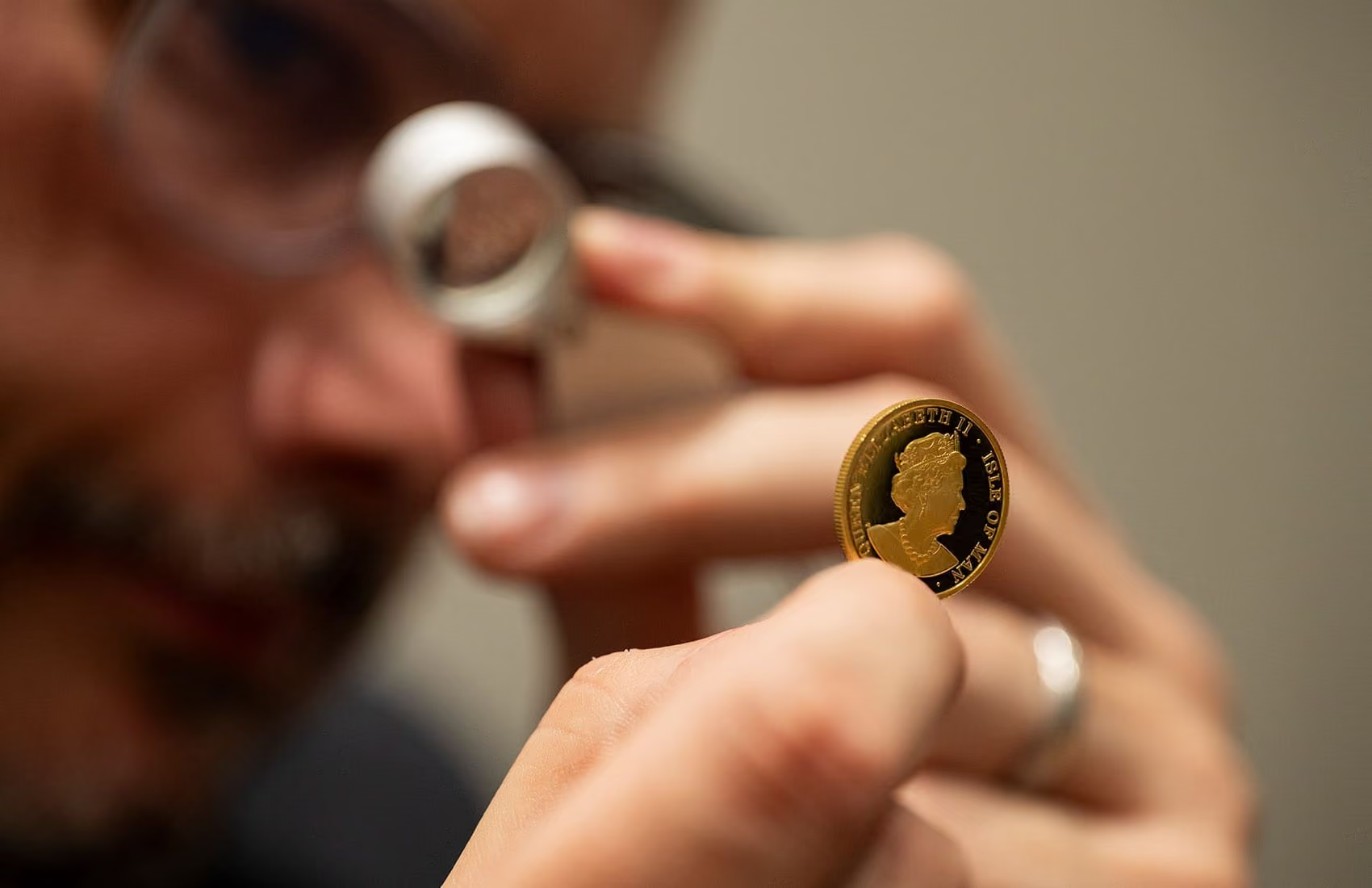
Understand the types of gold valuations, why gold value varies, and how we value gold coins, jewellery and bullion before selling or loaning against your gold.
Want to buy physical gold? Discover what the physical gold price means for wealth protection and how investing in physical gold remains a trusted investment.
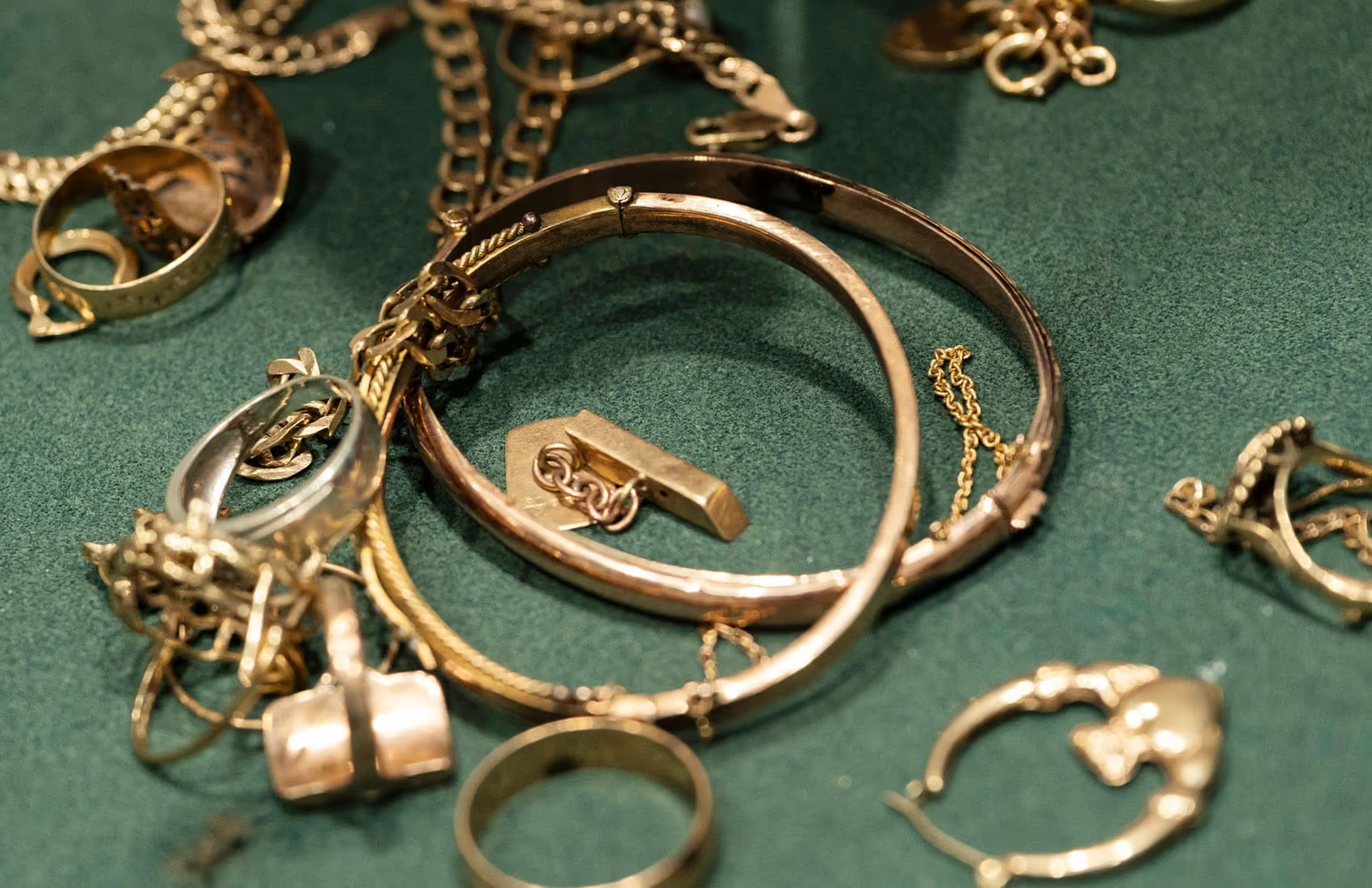
Discover the best cash for gold options in London. Explore how to sell gold jewellery, coins and bullion with expert support and discreet service.
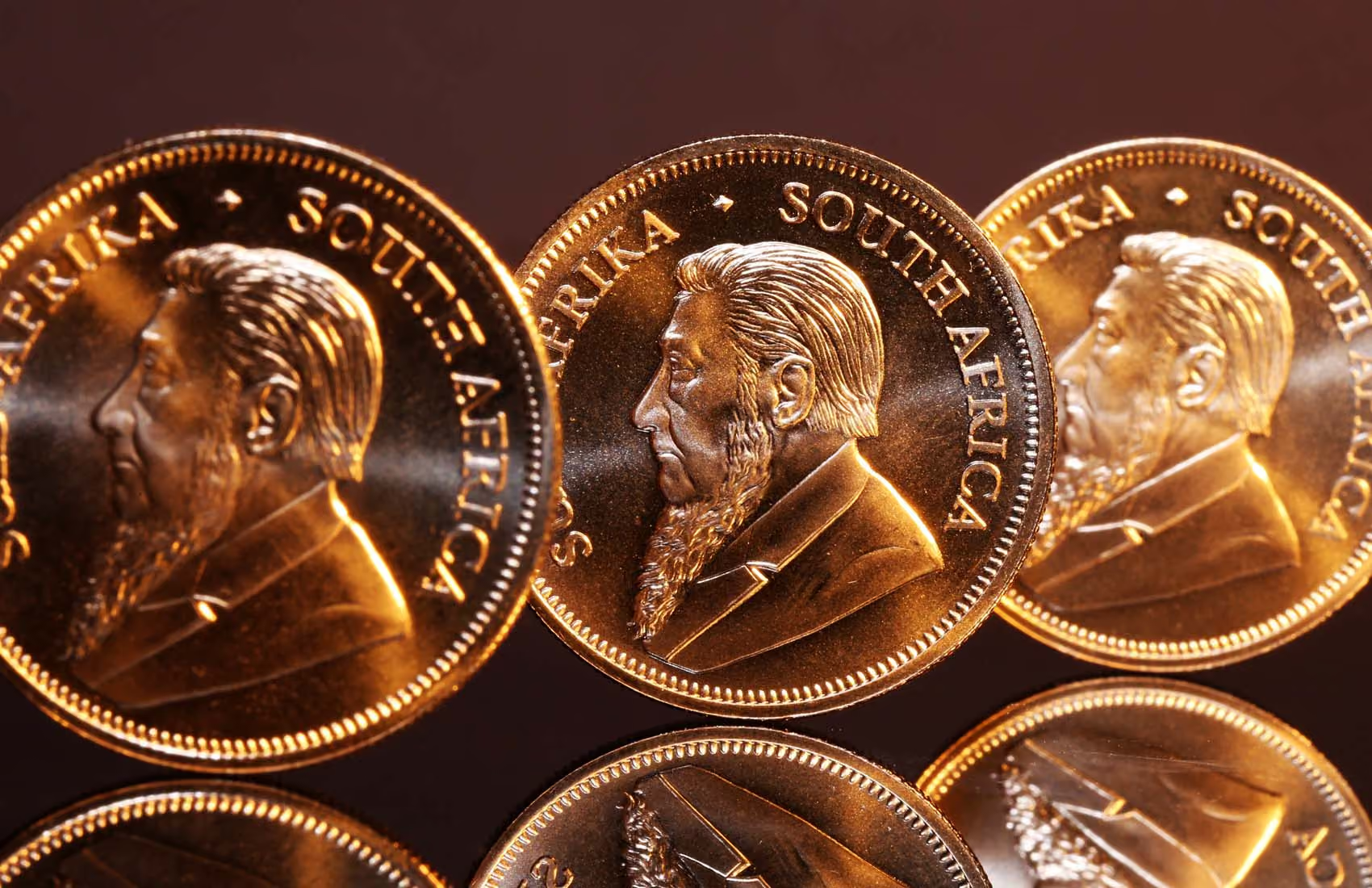
Explore the history and value of Krugerrands. Learn how much gold Krugerrands are worth and how to sell them safely for the best return.

Learn how to sell gold jewellery in London for the best price. Get in touch to receive a free quote and find out how much your gold jewellery is worth.

Discover how to invest in gold. Learn its value, stability and how to start investing in gold in the UK. Find out the best ways to invest in gold now.