How AI affects the pawnbroking industry
Artificial intelligence is reshaping industries but pawnbroking is different. We use AI to make our services faster and more accurate but you will only ever deal with humans.


Artificial intelligence is reshaping industries but pawnbroking is different. We use AI to make our services faster and more accurate but you will only ever deal with humans.
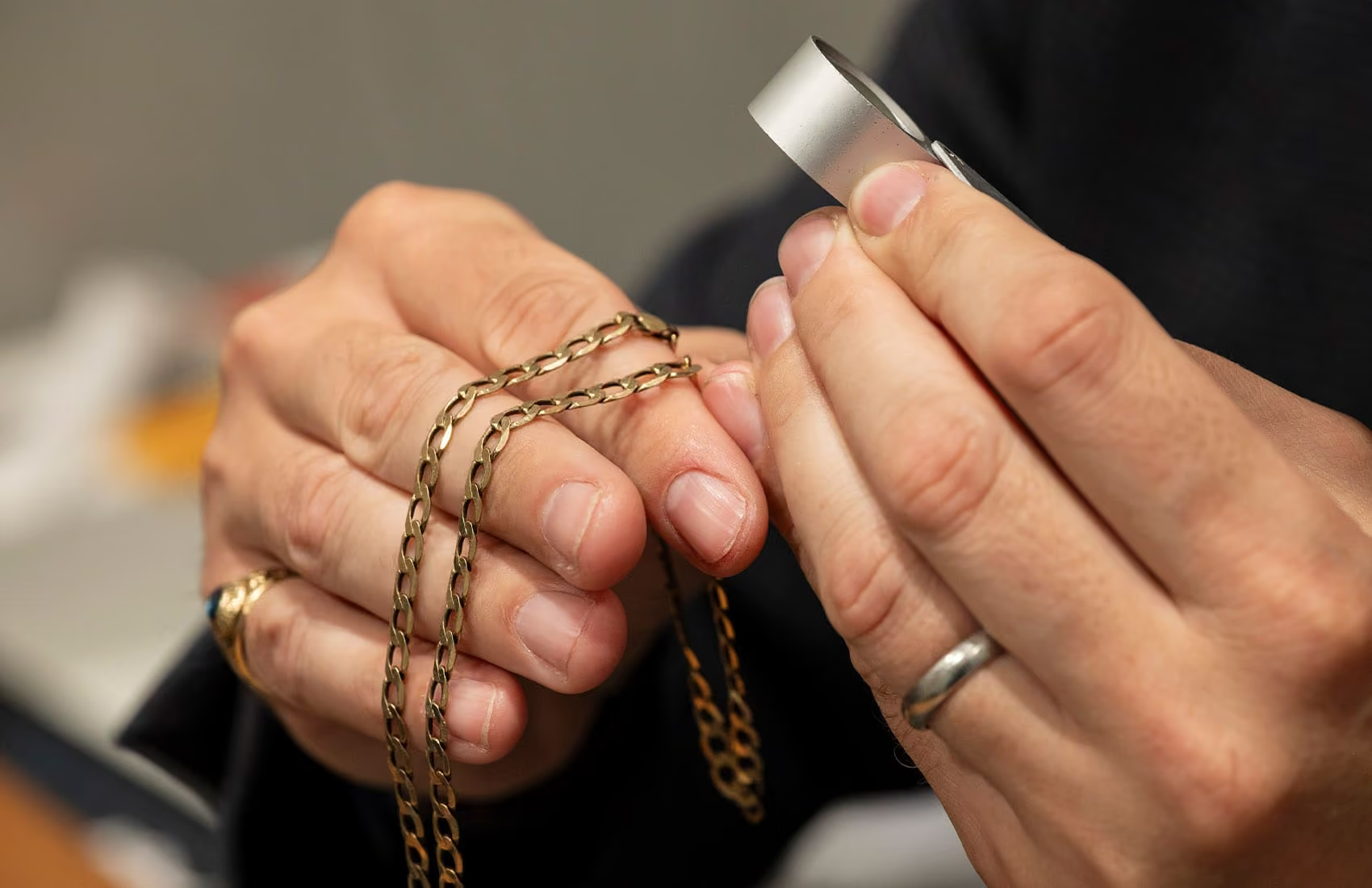

Artificial intelligence (AI) is transforming industries at an astonishing pace. From banking to healthcare, from art to retail, technology is reshaping the way people work, live, and make decisions. In finance especially, AI is everywhere: speeding up lending decisions, monitoring transactions for fraud, and offering instant digital valuations.
It’s no surprise, then, that pawnbroking has also felt the pull of AI. But here’s the important difference: we leverage AI to make our service faster, more accurate, and more efficient, but luxury pawnbroking will remain a human-first business. At Suttons and Robertsons, we know that trust, expertise, and relationships cannot be replaced by algorithms.
Across the wider financial world, AI is being hailed as nothing short of a revolution. Banks are using it to automate lending, reducing approval times from days to minutes. Payment providers depend on AI for real-time fraud detection, monitoring thousands of transactions a second for anything unusual.
The promise is appealing: faster processes, fewer errors, and instant access to information. For customers, this can mean convenience and speed. For businesses, it can mean efficiency and scale. AI tools can scan global markets, track fluctuations in commodities like gold and diamonds, and identify price trends that would take humans hours to calculate.
Despite its strengths, AI has well-known limitations, particularly when it comes to something as personal and trust led as pawnbroking.
At Suttons and Robertsons, we do incorporate AI where it makes sense. AI means our team can focus more of their time on personal service, while technology handles the background work. For example:
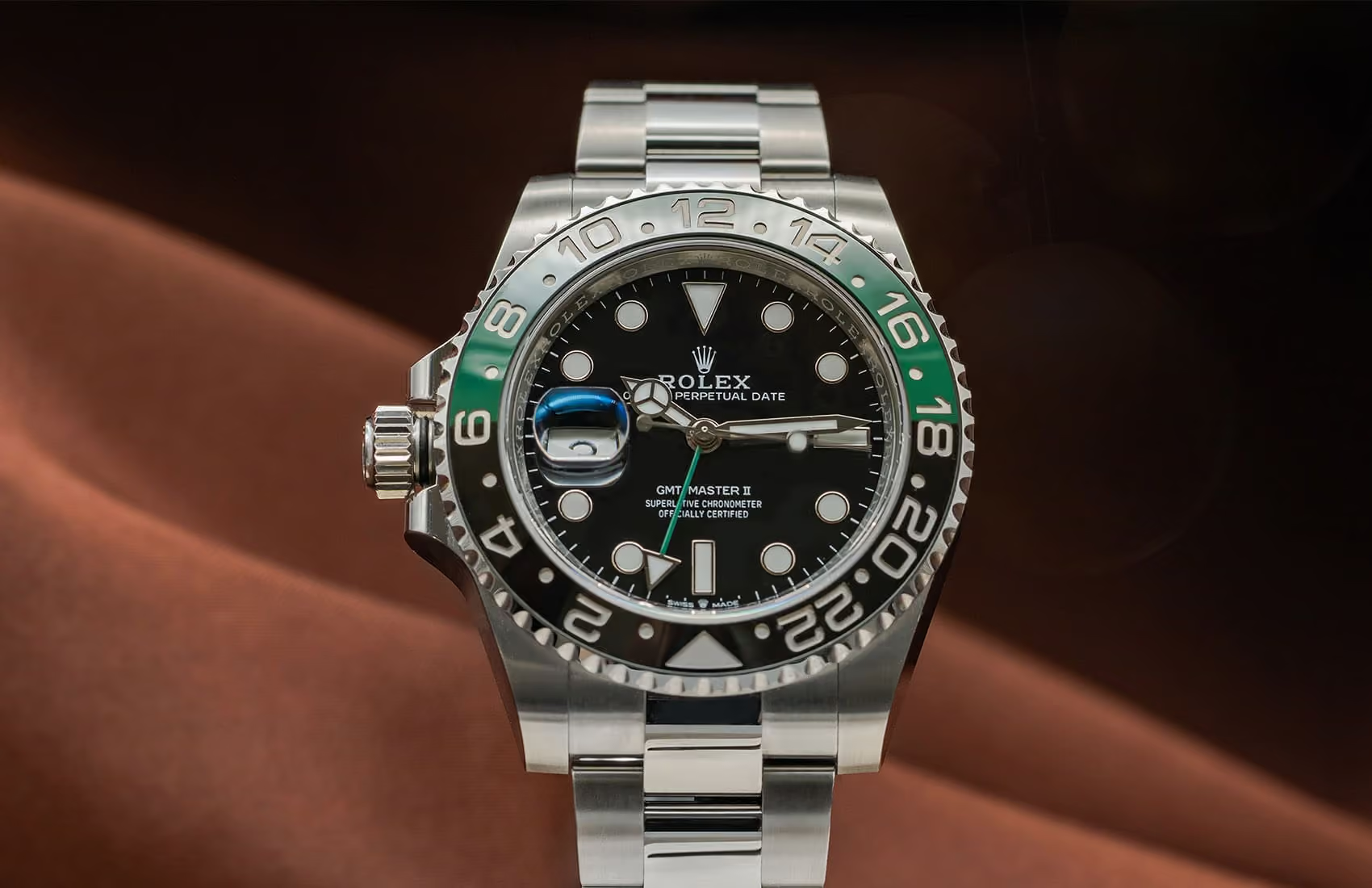
Every item that comes through our doors has a story. A diamond ring may have been passed down for generations. A Rolex watch might have been a treasured gift. A piece of antique jewellery could carry a history that only a specialist can recognise.
This is why our valuations are always carried out by experienced specialists. AI tools provide vital support behind the scenes, from monitoring market trends to flagging risks but the final judgement always rests with our experienced specialists. Valuations in pawnbroking go far beyond weight and market price. They involve:
At its heart, pawnbroking is about people. When you sit down with us, you’re not just receiving a valuation you’re building a relationship based on trust and transparency. Our customers return to us because they know they are treated fairly and with discretion. We take the time to explain exactly how we’ve reached a valuation, rather than simply presenting a number generated by a computer. The decisions we make are supported by technology but ultimately finalised by a real person you can talk to, combining the best of innovation with the reassurance of human expertise. The key is balance: AI supports, but humans lead.
{{resource-cta="/dev/components"}}
As conversations about the future of AI continue, one thing is clear: for us, pawnbroking will remain a human-centred service. As technology evolves, we’ll continue to embrace AI to improve accuracy and efficiency but always with human oversight.
The impact of AI will reshape industries, but pawnbroking is different. While we embrace useful technology and maximise efficiency, the foundation of our service will always be human expertise, trust, and relationships.
When you come to us, you’re not dealing with machines. You’re dealing with real professionals who value your items, and more importantly, your trust.

Explore the growing global art-secured lending market, forecast to reach US$42–50 billion by 2027, and the dynamics of fine art collateral loans.
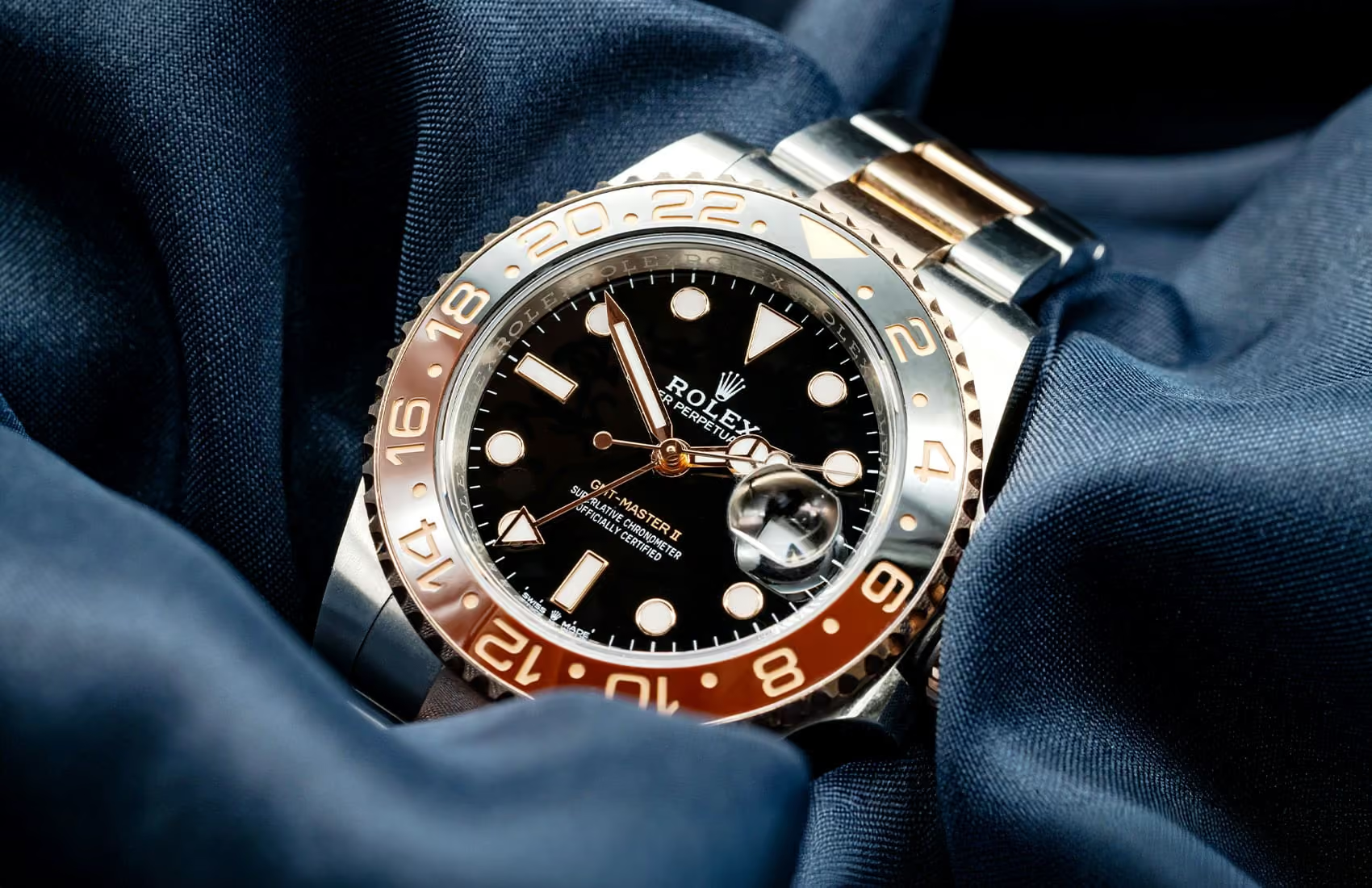
Discover the top brands for watch loans in London. Explore Rolex, Patek Philippe, Omega and more pawn watch loans with discreet trusted pawnbrokers like us.
Artificial intelligence is reshaping industries but pawnbroking is different. We use AI to make our services faster and more accurate but you will only ever deal with humans.
Our guide explains the difference between pawn shop loans and other short term loans. Learn what they are, how each works and which loan type is right for you.

Discover how UK pawnbrokers offer FCA regulated pawn shop loans and why common misconceptions about the pawnbroking industry no longer hold true.

Discover ten unique items you can pawn for quick cash, from rare sports memorabilia to handbags. Unlock pawn loan funds instantly with valuable assets.

Pawnbroking goes back thousands of years. Discover the meaning of pawnbroker, pawnshop history and where to pawn in London. Pawn online & in-store.

The pawn gold price per gram in the UK in 2026 is reaching record highs. Our Sell Gold and Pawn Guide will help you realise the value of your gold assets.